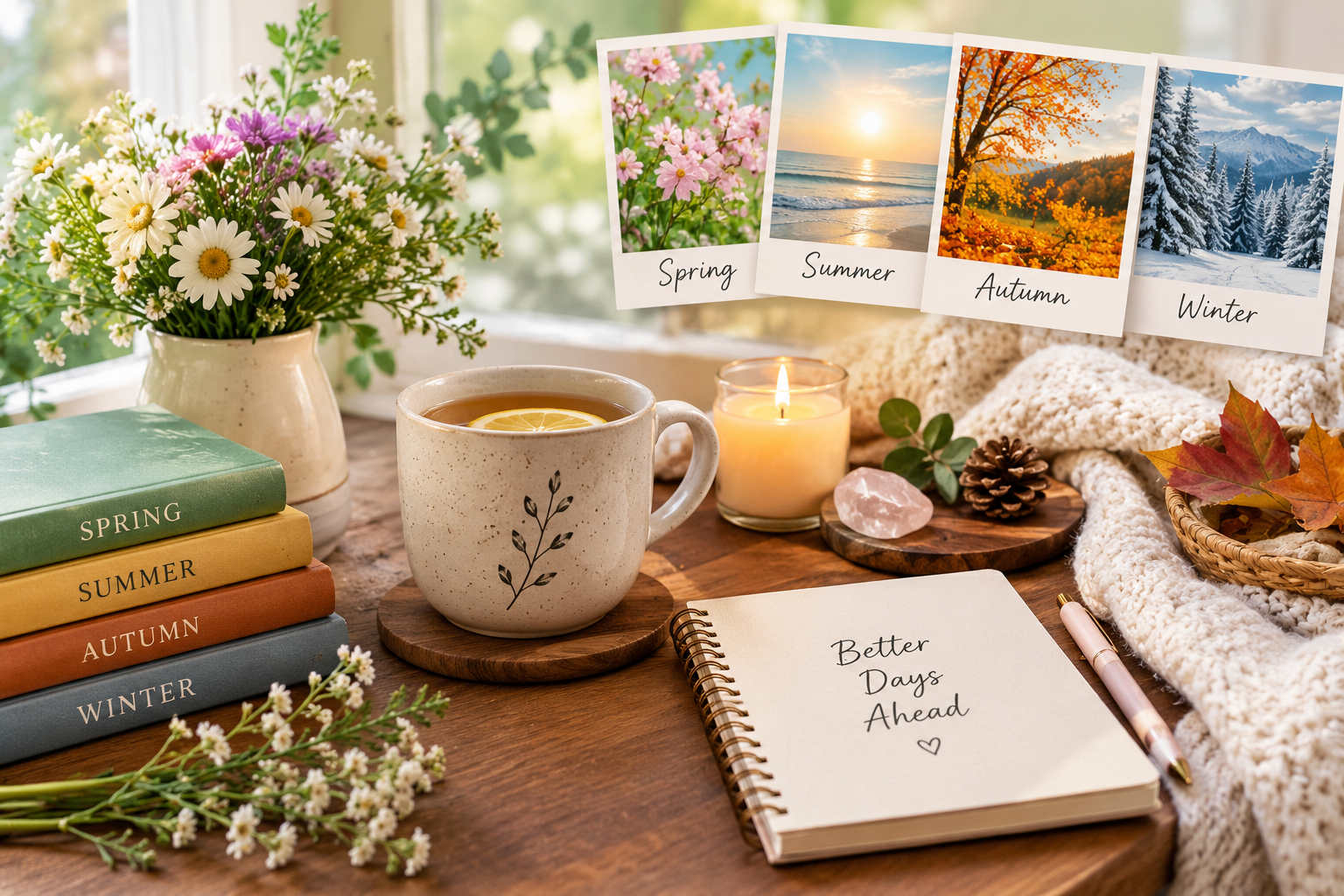
Our needs can change throughout the year. Longer summer days may encourage outdoor activities, while colder winter evenings can make us crave rest and comfort. Spring often brings a fresh sense of motivation, and autumn offers an opportunity to slow down and reset. Seasonal self-care is about adapting everyday habits to suit the weather, your energy levels, and your personal needs.
Thank you for reading this post, don't forget to subscribe!You do not need an expensive wellness routine to feel your best. A few thoughtful changes to your daily life can help you feel more comfortable, refreshed, and connected to yourself in every season.
Spring: Refresh Your Daily Routine
Spring is a natural time to revisit habits that may have become repetitive during winter. Start by opening your windows when the weather allows, spending more time outdoors, or taking a short walk in the morning.
You can also refresh your surroundings by organizing a cupboard, adding fresh flowers, or clearing away items you no longer use. Choose simple meals with seasonal produce and make time for an activity that inspires you. Small changes can give your everyday routine a welcome sense of renewal.
Summer: Protect Your Energy and Stay Comfortable
Longer days provide more opportunities to enjoy outdoor activities, but warm weather can also leave you feeling tired. Make hydration a priority, choose lightweight clothing, and plan outdoor exercise during cooler hours.
Give yourself permission to take breaks when temperatures rise. A quiet afternoon with a book, a refreshing homemade drink, or a relaxed evening with friends can be just as enjoyable as a busy summer schedule. Maintaining a comfortable sleep environment can also help you rest when nights become warmer.
Autumn: Make Space for Rest and Reflection
As the days become cooler, autumn is a good time to create a more comforting home environment. Bring out soft blankets, prepare warming meals, and arrange a relaxing corner where you can read, write, or enjoy a cup of tea.
This season is also an opportunity to review your priorities before the year gets busier. Write down a few things you want to accomplish, while leaving enough room for rest and spontaneous plans. For more seasonal inspiration, explore Globe and Hearth for lifestyle ideas that bring comfort and intention into everyday living.
Winter: Support Your Mood and Well-Being
Shorter days and colder weather can affect motivation and daily routines. Try to get some natural daylight when possible, maintain regular sleeping hours, and include gentle movement in your day. A walk, a simple home workout, or stretching can help you remain active when outdoor activities become less appealing.
Staying connected matters, too. Arrange a phone call with a friend, share a meal with family, or plan a small activity to look forward to. The NHS guide to seasonal affective disorder offers additional information about managing seasonal mood changes.
If low mood or tiredness becomes persistent or interferes with everyday life, consider speaking with a qualified healthcare professional rather than relying on self-care alone.

Build Self-Care Habits That Work Year-Round
Although every season brings different opportunities, a few basic habits can support your well-being throughout the year. Aim for consistent sleep, balanced meals, regular physical activity, and time away from screens. You might also try journaling, breathing exercises, or listing three positive moments from your day.
The National Institutes of Health Emotional Wellness Toolkit provides further ideas for managing stress, building resilience, and maintaining supportive relationships.
Remember that self-care does not need to follow a strict schedule. Choose habits that suit your circumstances, and adjust them whenever your needs change.
Final Thoughts
Seasonal self-care is a simple way to make everyday life feel more balanced and enjoyable. Whether you are welcoming spring, staying cool in summer, creating a cozy autumn home, or caring for yourself during winter, small consistent actions can make a meaningful difference.
Start with one habit that feels manageable, give yourself time to build it, and allow your routine to change as the seasons do.