
Seasonal eating is a simple way to bring more variety, freshness, and flavor into your everyday meals. Instead of choosing the same fruits and vegetables throughout the year, you can enjoy foods that are naturally harvested during different seasons. From juicy summer fruits to comforting winter vegetables, every season offers new ingredients to explore.
Thank you for reading this post, don't forget to subscribe!Eating seasonally does not require a strict diet or expensive grocery shopping. With a little planning, you can discover fresh ingredients, try new recipes, and make everyday meals more enjoyable.
What Is Seasonal Eating?
Seasonal eating means choosing fruits and vegetables that are harvested during their natural growing season. The exact availability of produce depends on your location, climate, and local farming conditions.
For example, apples, pears, and pumpkins are commonly associated with autumn, while berries, melons, and tomatoes are popular summer choices. Winter often brings citrus fruits and hearty vegetables, whereas spring offers fresh greens and peas.
Choosing produce that is in season locally can also help you discover ingredients that are fresher and more flavorful. You can explore the Seasonal Food Guide to learn more about seasonal produce and when different foods are available.
1. Enjoy Fresh Produce in Spring
Spring is a wonderful time to add fresh greens and lighter ingredients to your meals. Depending on your region, you may find asparagus, peas, radishes, lettuce, and other leafy vegetables becoming more readily available.
Fresh ingredients are perfect for making easy meals such as crisp salads, warm vegetable soups, pasta, and tasty homemade wraps. Adding herbs like fresh mint, parsley, or coriander is another simple way to enhance the flavor of everyday dishes.
For a light and refreshing meal, combine seasonal greens with peas and sliced cucumber, then drizzle everything with a homemade lemon dressing. This simple salad makes a lovely side dish for lunch or a satisfying option for a lighter dinner.
2. Make the Most of Summer Fruits and Vegetables
Warm summer weather brings plenty of juicy fruits and fresh vegetables to enjoy. Depending on the region and climate, seasonal markets may offer a variety of produce, including strawberries, peaches, watermelons, tomatoes, cucumbers, and sweet peppers.
Fresh fruit makes a delicious snack and can also be mixed into smoothies or served with your morning breakfast. For quick and tasty summer dishes, toss fresh tomatoes and cucumbers into a crisp salad, or roast seasonal vegetables on the grill to add a delicious touch to your outdoor meals.
Buying seasonal produce when it is plentiful may also help you manage your grocery budget. Compare prices at local markets and choose ingredients that are fresh, affordable, and suitable for your favorite recipes.
3. Add Autumn Flavors to Everyday Meals
Autumn brings opportunities to enjoy comforting meals made with ingredients such as apples, pears, pumpkins, sweet potatoes, and different varieties of squash. However, the exact selection depends on your local climate and harvest calendar.
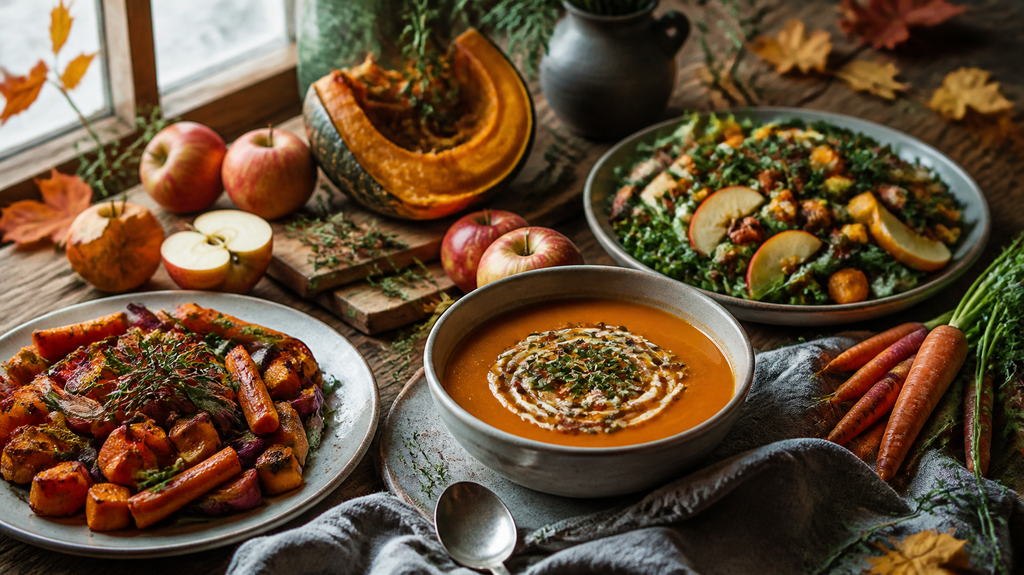
Roasted vegetables are an easy way to make the most of autumn produce. Cut sweet potatoes, carrots, and squash into pieces, season them with herbs and spices, and roast until tender.
You can also use apples and pears in oatmeal, homemade desserts, or simple fruit salads. Combining seasonal ingredients with familiar meals allows you to enjoy new flavors without completely changing your cooking routine.
4. Choose Comforting Foods During Winter
Winter is a good time to explore ingredients such as citrus fruits, cabbage, cauliflower, broccoli, spinach, and root vegetables in regions where these crops are in season.
Warm soups, vegetable stews, and oven-roasted dishes can make these ingredients especially enjoyable on colder days. A simple soup made with carrots, onions, potatoes, and seasonal greens can be both satisfying and easy to prepare.
Citrus fruits, including oranges and mandarins, also provide a refreshing option during winter. Enjoy them whole or add their segments to salads for a fresh, bright flavor.
For a broader overview of seasonal choices, the American Heart Association’s seasonal eating guide provides examples of fruits and vegetables associated with different seasons.
5. Plan Meals Around Available Ingredients
You do not need to create an entirely new menu every season. Start by checking which fruits and vegetables are available locally, then choose a few ingredients to feature in your weekly meals.
Make a shopping list before visiting the market and plan recipes that share ingredients. For example, carrots can be used in soups, roasted vegetable dishes, and salads. This approach helps reduce waste and makes meal preparation more convenient.
Keep your plans flexible, too. Weather conditions and growing seasons can change produce availability, so choose alternatives when your usual ingredients are unavailable or expensive.
6. Store Seasonal Foods Properly
Proper storage is essential for keeping seasonal fruits and vegetables fresh for longer. Store each type of produce in the right place, handle food safely, and prioritize delicate items that tend to lose their freshness quickly.
If you find fresh produce at a good price, freezing suitable fruits and vegetables can help you enjoy them later. Frozen produce can be useful for smoothies, soups, sauces, and cooked meals when fresh options are limited.
For more inspiration on creating a thoughtful everyday lifestyle, explore Globe and Hearth for ideas that complement your home and seasonal living interests.
Final Thoughts
Seasonal eating is an easy way to explore new flavors, add variety to your meals, and make better use of locally available ingredients throughout the year. By adapting your shopping list to each season, you can enjoy fresh produce while keeping meal planning practical and flexible.
Start with a few seasonal ingredients, experiment with simple recipes, and discover which foods you enjoy most. Small changes can make everyday cooking more interesting in every season.