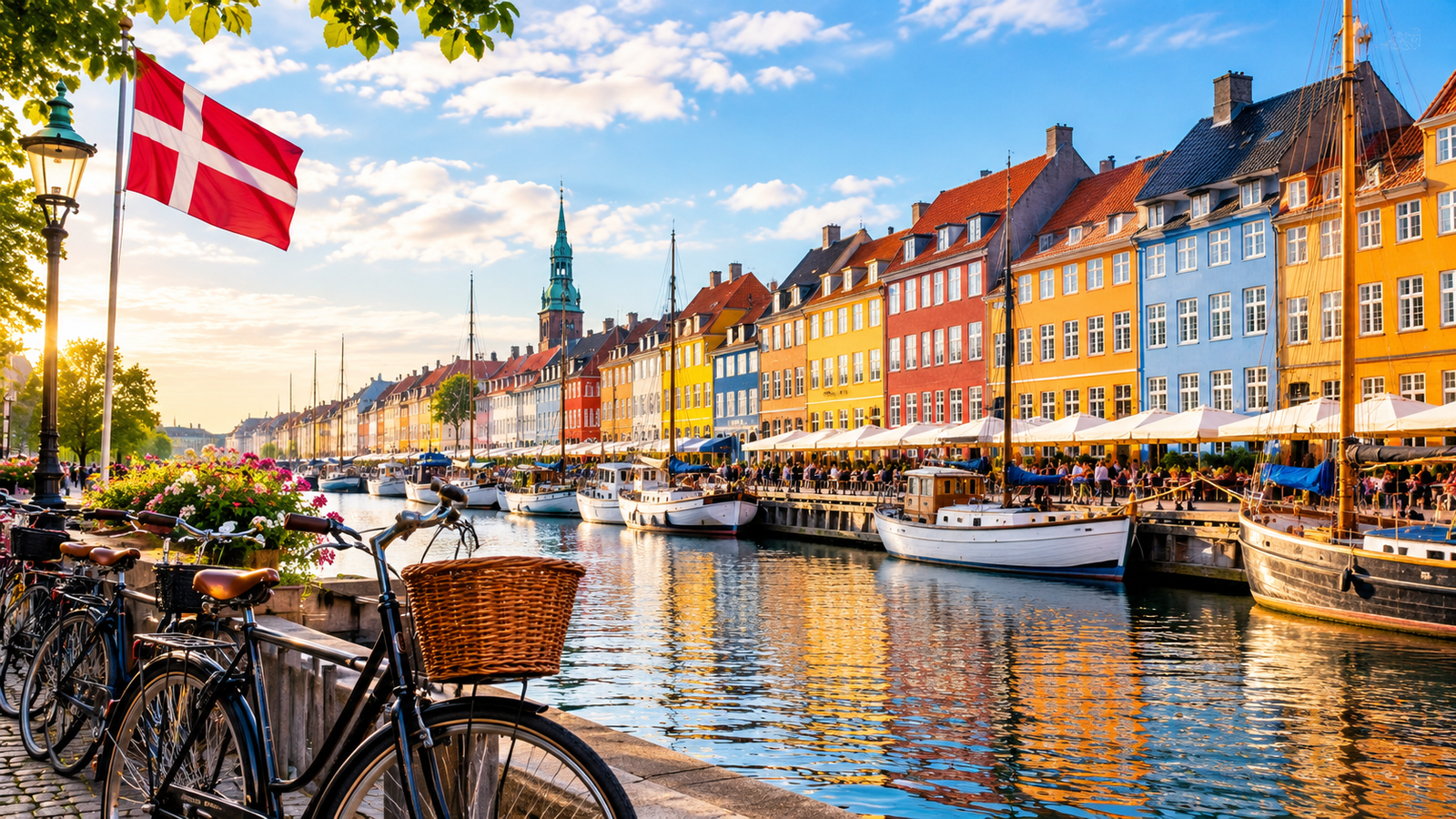
Denmark is a Nordic country known for its coastal scenery, cycling culture, comfortable homes, and strong sense of community. But life in Denmark is about more than attractive streets and beautiful landscapes. Everyday routines, social values, work-life balance, and the Danish concept of hygge all help shape the country’s lifestyle.
For travelers, international students, and people curious about Scandinavian culture, understanding daily life in Denmark offers a closer look at what makes this country distinctive.
What Is Everyday Life in Denmark?
Daily life in Denmark often places importance on organization, personal time, and social trust. Many people balance work or education with family activities, hobbies, and time outdoors.
Danish society is also known for relatively informal social interactions. In many workplaces and everyday settings, people communicate in a straightforward and relaxed way. Being considerate of other people’s time, respecting shared spaces, and keeping commitments are useful parts of navigating daily life.
Of course, experiences differ depending on where someone lives, their occupation, family circumstances, and personal preferences. Life in a large city such as Copenhagen can feel very different from living in a smaller town or rural community.
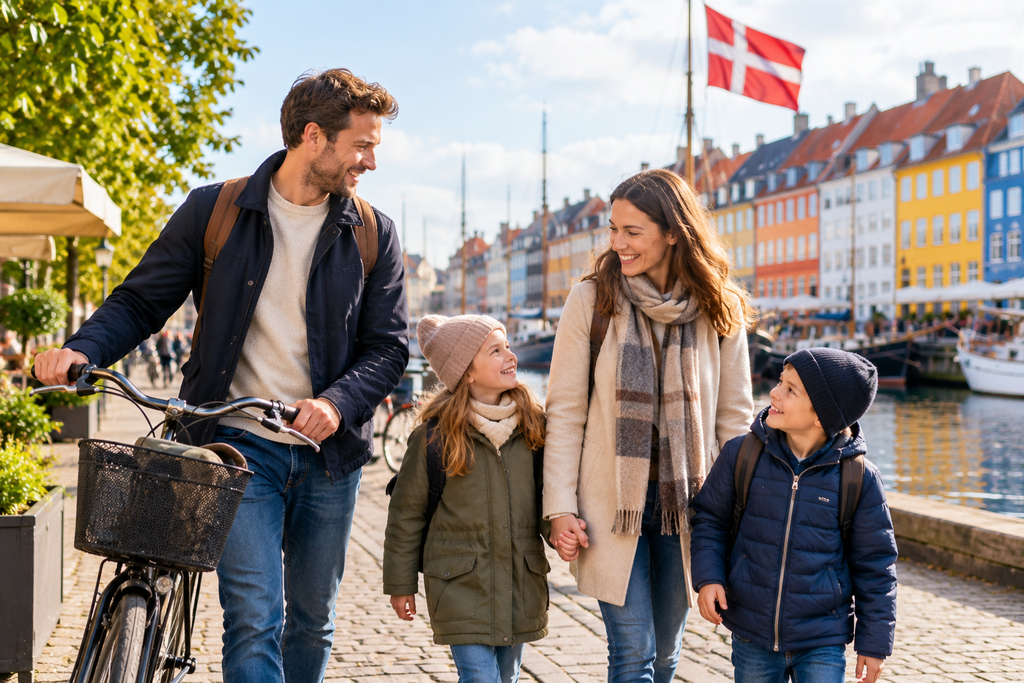
Hygge: Finding Comfort in Simple Moments
One of the best-known Danish cultural concepts is hygge. Although it has no perfect English translation, it generally describes a feeling of comfort, warmth, and enjoyment in simple moments.
Hygge might mean having coffee with friends, sharing dinner with family, reading beside a warm lamp, or spending a quiet evening at home. It does not require expensive furniture or elaborate decorations. The focus is on creating an atmosphere where people can relax and feel connected.
You can bring a little hygge into your own home by using soft lighting, preparing a favorite meal, putting away distractions, and making time for people you enjoy.
This idea also fits naturally into seasonal living, especially during colder months when cozy indoor gatherings can become part of everyday routines.
Cycling and Getting Around
Cycling is an important part of daily life in many Danish communities. Cities such as Copenhagen have extensive cycling infrastructure, and bicycles are commonly used for commuting, shopping, and short journeys.
For residents, cycling can provide a practical alternative to driving. Visitors can also explore designated cycling routes, although they should learn local road rules and use appropriate safety equipment.
Public transport is another useful option, particularly in urban areas. Trains, buses, and metro services connect many neighborhoods and towns, but the most convenient choice depends on the route and time of travel.
If you are planning a visit, check current transport information before setting out. Weather, service schedules, and seasonal conditions can all affect your journey.
Understanding the Cost of Living
Denmark is often considered an expensive place to live, especially for housing and everyday services in major cities. Actual expenses depend on location, household size, accommodation, and personal spending habits.
Rent, groceries, transport, utilities, and leisure activities can take up a substantial part of a monthly budget. People moving to Denmark for study or work should research local prices and prepare for initial expenses such as rental deposits and household essentials.
Planning can make a difference. Cooking at home, cycling when practical, comparing service providers, and checking student discounts where available may help control spending.
It is also important to consider the wider context. Denmark funds a range of public services through taxation, and eligibility for healthcare, education benefits, and other support depends on the relevant rules and a person’s circumstances.
For official information, consult the Life in Denmark public information portal.
Work-Life Balance and Personal Time
Work-life balance is an important subject in Danish culture. Many workplaces value planning, cooperation, and clear communication, while working arrangements vary by employer, industry, and role.
Time away from work can be used for family commitments, exercise, social activities, or simply resting. Outdoor recreation and local clubs also give people opportunities to connect with others beyond their workplaces.
However, a balanced lifestyle is not automatic for everyone. Work demands, financial pressures, caring responsibilities, and personal circumstances can affect how much free time someone has.
For newcomers, learning about workplace expectations and local employment conditions can help them understand what to expect before accepting a position.
Danish Food and Social Gatherings
Food is another way to experience Danish culture. Everyday meals may include rye bread, potatoes, fish, vegetables, dairy products, and a range of international dishes.
Traditional open sandwiches, known as smørrebrød, are associated with Danish cuisine. Bakeries are also popular places to find pastries and bread, while cafés provide spaces for conversations and informal meetings.
Meals can be social occasions rather than simply something to fit into a busy schedule. Sharing food with friends or family offers a chance to catch up and enjoy time together.
Visitors should remember that food preferences vary across households, and modern Danish cuisine includes influences from many different cultures.
Experiencing the Four Seasons
Denmark experiences noticeable seasonal changes, with longer daylight hours during summer and shorter days during winter. These changes can influence outdoor activities, home routines, and the way people spend their free time.
Spring brings opportunities for walks, cycling, and enjoying parks as temperatures become milder.
Summer is often suited to picnics, coastal visits, outdoor cafés, and exploring the countryside during extended daylight.
Autumn offers changing foliage, comfortable indoor gatherings, and opportunities to enjoy seasonal food.
Winter encourages many people to spend more time indoors, where warm lighting, shared meals, and cozy activities can make darker evenings more enjoyable.
The weather can be changeable, so dressing in layers and checking forecasts are practical habits for residents and visitors alike.
Is Denmark a Good Place to Live?
Denmark may appeal to people who value organized public services, cycling infrastructure, outdoor recreation, and a strong focus on community. Its cultural traditions and changing seasons can also make everyday life interesting for those who enjoy a mix of urban and natural environments.
Nevertheless, moving to another country requires careful planning. Housing availability, living costs, language, employment, immigration requirements, and social connections all deserve consideration.
People considering a move should rely on official information and assess their own financial and personal circumstances rather than making decisions based only on a country’s reputation.
Final Thoughts
Life in Denmark reflects a combination of practical routines, social values, outdoor activities, and an appreciation for simple pleasures. From cycling through city streets to sharing a relaxed evening with friends, everyday experiences help shape the country’s distinctive lifestyle.
Whether you are planning a visit, researching Scandinavian culture, or simply curious about how people live in another part of the world, Denmark offers plenty to explore. Understanding its daily habits and local customs can make that exploration more meaningful.