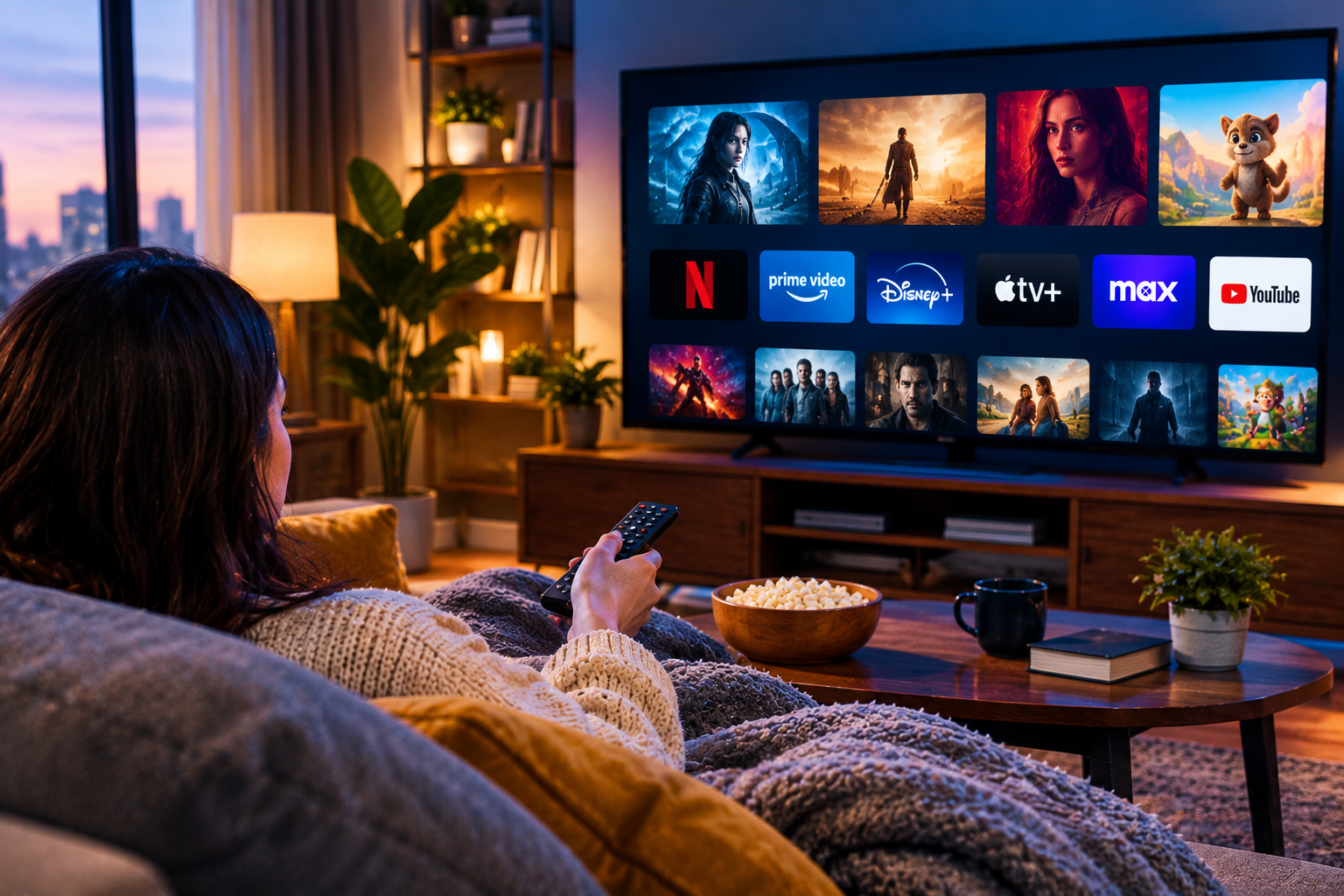
Digital entertainment is no longer limited to television schedules or cinema screens. Today, viewers can explore films, series, documentaries, and online videos whenever they have time. This freedom has changed how people discover digital entertainment, but it has also made the industry more competitive.
In 2026, streaming companies face an important challenge: giving audiences enough value to keep them interested. Viewers want enjoyable stories, convenient access, and prices that fit their budgets. As a result, the future of streaming depends on more than simply adding new titles to a library.
Finding Good Shows in a World Full of Choices
A streaming service might offer thousands of titles, but the size of its collection does not automatically make it attractive. Viewers often care more about finding something genuinely enjoyable than scrolling through endless choices.
Some people look for gripping dramas, while others prefer comedy, documentaries, reality television, or family-friendly films. A platform that understands its audience can make discovering suitable content easier.
Original storytelling also matters. Familiar franchises can attract attention, but fresh characters and unexpected ideas give viewers something different to explore. For entertainment companies, the challenge is to balance recognizable favorites with new productions that can build their own audiences.
Why Older Movies Still Deserve Attention
Digital entertainment fans do not always want the latest release. Older films and television series can remain appealing because of memorable performances, creative storytelling, or the nostalgia they bring.
A classic comedy might provide a relaxing evening, while an older thriller may still feel engaging years after its release. Revisiting familiar programs can also be comforting when viewers do not want to spend time searching for something new.
Streaming libraries make it easier to rediscover these titles when the relevant viewing rights are available. This gives older productions another opportunity to reach audiences who may not have watched them when they first appeared.
Subscription Choices Are Becoming More Important
As more entertainment services compete for attention, viewers may need to think carefully about which subscriptions are worth keeping. Paying for several platforms can become costly, especially when the shows a person wants to watch are spread across different services.
A practical approach is to start with viewing habits. Consider which genres you enjoy, how often you watch, and whether your favorite programs are available through a service you already use.
It is also useful to compare monthly prices, advertising policies, supported devices, and cancellation conditions. Some platforms offer lower-cost plans with advertisements, while others provide different viewing options depending on the subscription.
Before paying for a new service, check its current catalog and confirm that the content you want is available in your country.
Social Media Influences What People Watch
Online conversations can help a movie or series reach a much wider audience. A short clip, a memorable scene, or a recommendation from a trusted creator may encourage people to explore a title they had never considered.
However, popularity on social media does not necessarily mean a program will suit every viewer. Viral moments can reveal only a small part of a story, and online opinions may differ from your own preferences.
Instead of relying entirely on trending posts, look at the genre, story description, age rating, and spoiler-free reviews. These details can provide a clearer idea of whether a title matches your interests.
The Competition for Viewers’ Time
Streaming services compete not only with one another but also with gaming, social media, podcasts, and other ways to relax. People have limited free time, so every entertainment option must give them a reason to return.
This makes quality and audience loyalty especially important. A well-told story can encourage viewers to recommend a series to friends or return when another season arrives. In contrast, a large marketing campaign may generate initial interest without creating lasting enthusiasm.
Digital entertainment companies therefore need to understand what their audiences value and deliver experiences that feel worth the time invested.
What Viewers Can Expect Next
Streaming will continue to evolve as companies experiment with programming, subscription models, and ways to help audiences discover content. Some services may focus on exclusive productions, while others may appeal to viewers through lower-cost or advertising-supported options.
Technology can make searching and watching more convenient, but it cannot replace a compelling story. Strong writing, believable characters, thoughtful direction, and engaging performances remain important parts of memorable entertainment.
Viewers will likely benefit most when services make their offerings easy to understand and provide a clear reason to subscribe.
Final Thoughts
The digital entertainment landscape in 2026 offers viewers plenty of choice, from new productions to much-loved classics. Yet having more options does not always make choosing easier.
By comparing subscriptions, checking regional availability, and looking beyond online trends, viewers can make better decisions about what to watch. Ultimately, the most rewarding entertainment is not necessarily the newest or most popular title. It is the one that fits your interests and makes your free time enjoyable.
1 thought on “Why We Watch Differently: The New Era of Digital Entertainment”